
KN59St, Florida house , 3rd Floor
Kigali City Center /Rwanda
ORGANIZATION HISTORY & BACKGROUNG
Why Do We Exist? (Updated in January 2026)
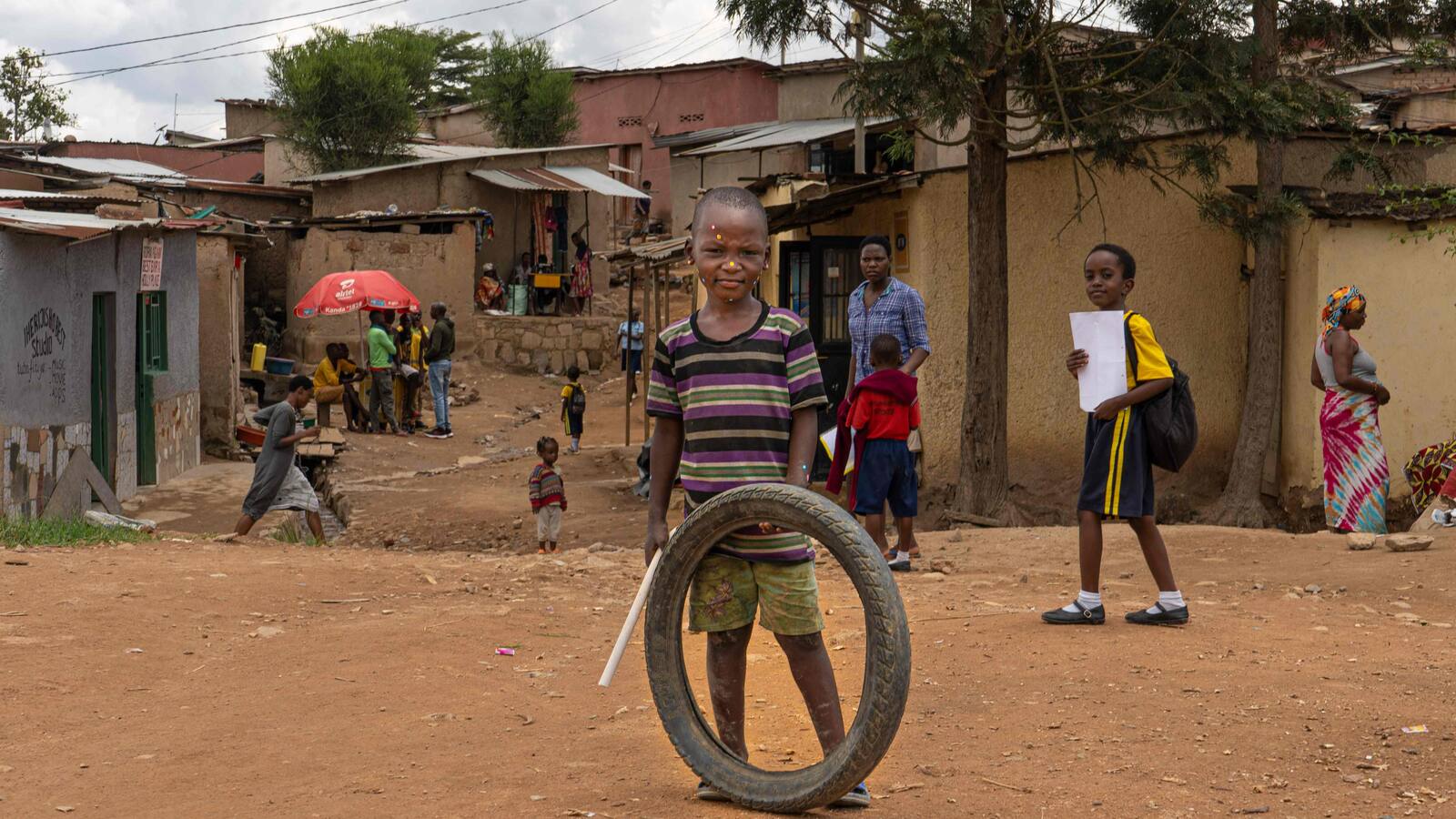
| In Rwanda poverty remains deep and persistent, affecting not only how many people are poor but also the severity of their deprivation. According to EICV7 (2023/24), 2 out of 5 Rwandans live in poverty, with the intensity of multidimensional poverty reaching 45% nationally in 2025. Poverty is slightly higher in rural areas (45%) than in urban areas (44%), with the Eastern Province most affected (45.5%), followed by the Western and Southern Provinces (45%). Kigali City and the Northern Province have lower, but still significant, poverty intensity at 43%. The poorest households face compounded deprivation. Individuals in the lowest consumption quintile (Q1) experience the highest poverty intensity at 46.3%, reflecting severe simultaneous lack of access to basic services such as education, healthcare, and adequate housing. |
Children are disproportionately affected. About 25% of children aged 5–14 experience deprivation in at least three essential areas, rising to 40% among those aged 15–17. According to the African Report on Child Wellbeing 2023, nationally, over 53% of children, approximately 3.4 million are multidimensionally poor, while around 60% (≈4 million) live in households below $1.90 PPP per day. Despite improvements in public services, government spending on child-focused sectors remains low: education expenditure is only 3.8% of GDP, well below the Dakar target of 10%, and access to pre-primary and secondary education is limited, with gross enrolment ratios of 27.6% and 44.3%, respectively. Certain groups face heightened vulnerability, including children in rural areas or urban slums, children with disabilities, girls, those in large households, and children of caregivers with low education levels. Drivers of child poverty include governance challenges, non-inclusive budgeting, low accountability, and the absence of child-sensitive pro-poor economic policies. |
|
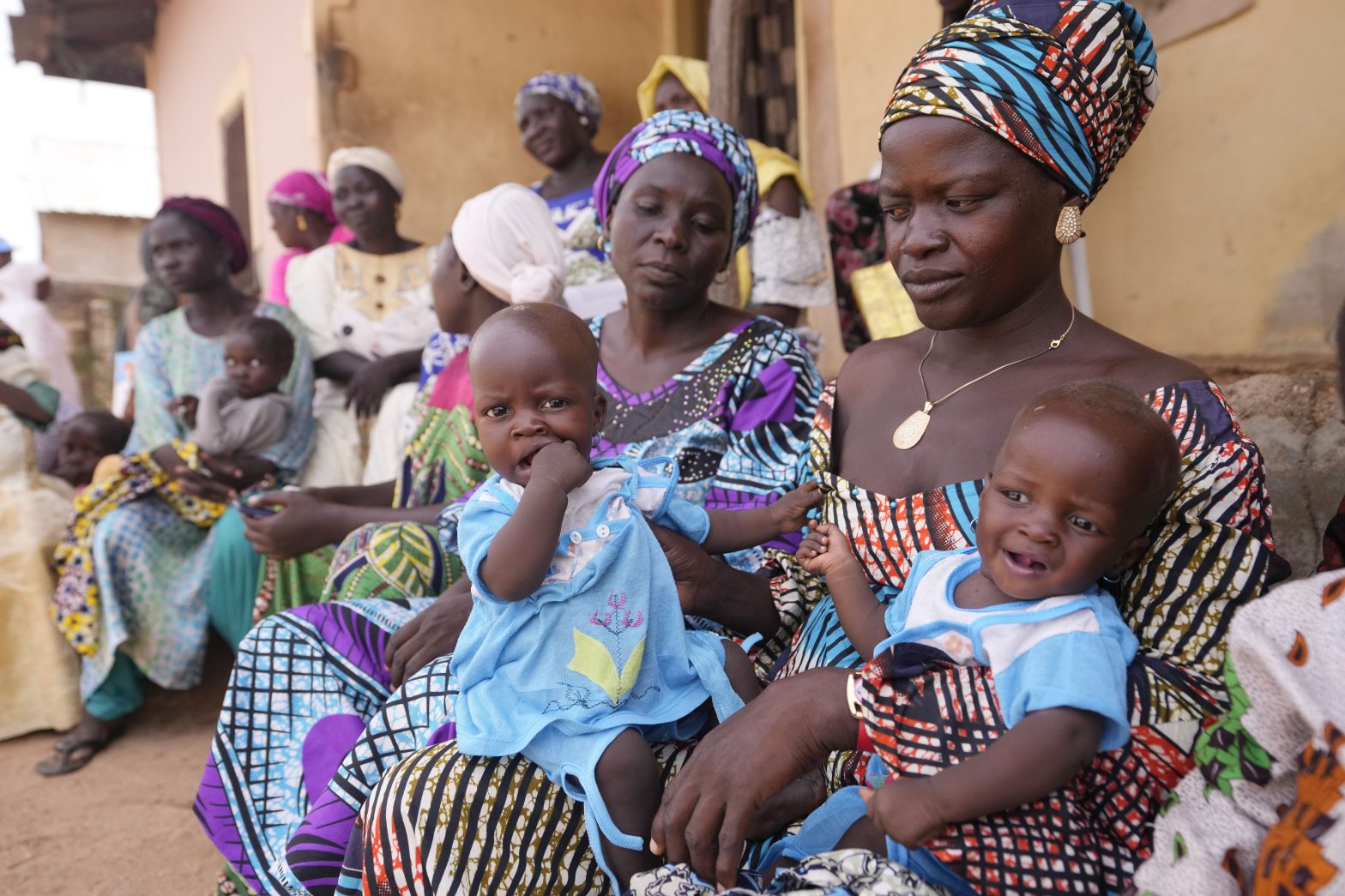
| While monetary poverty affects men and women at comparable rates, multidimensional child poverty is higher in female-headed households compared to male-headed ones, a gap which is strongly associated with lower levels of education among mothers and household heads. Female-headed households are particularly affected by multidimensional child poverty, linked to lower education levels among mothers and caregivers. This perpetuates cycles of poverty, as women and their children have limited access to stable employment, financial independence, and essential services. Women’s vulnerability is compounded by exposure to gender-based violence, health risks, and economic instability, creating intergenerational poverty, especially for young girls. |
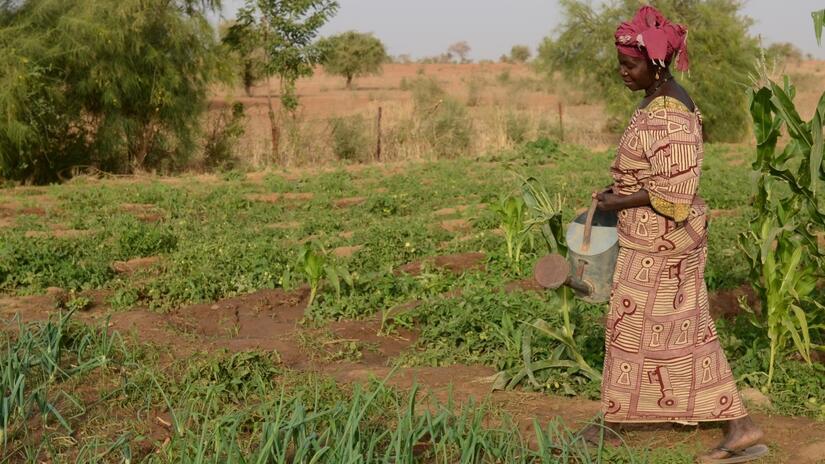
Food insecurity and climate crisis further exacerbates deprivation, driven by economic instability and environmental degradation. Poor households experience malnutrition, stunted growth, and weakened immunity, particularly among children and pregnant mothers. Women, as primary caregivers, often bear the burden of providing food under constrained resources, sometimes resorting to unsafe or exploitative labor. |
|
This multidimensional poverty landscape demonstrates that without targeted, inclusive interventions, vulnerable populations, particularly children and women, will continue to experience entrenched deprivation, perpetuating cycles of poverty across generations.
===================================================================================================================================================
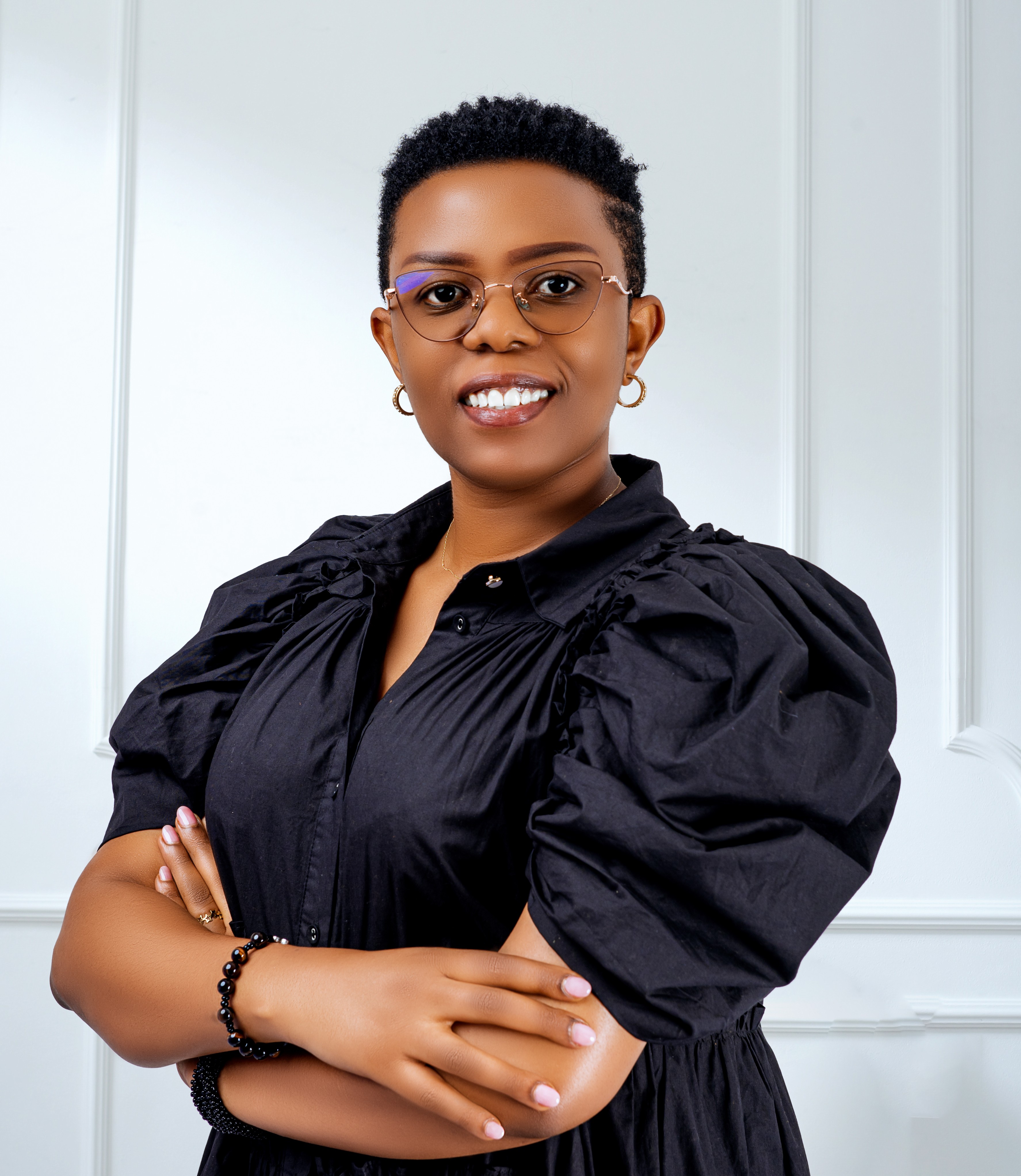
| FOUNDER'S MOTIVATION (Denyse Mugabekazi) LinkedIn: https://www.linkedin.com/in/mugabekazi-denyse-6255731b1 Growing up in a slum community, where daily survival often outweighed the importance of education, I witnessed vulnerable women raising children in poverty, girls dropping out of school due to early pregnancies and financial hardship, and boys leaving home to work in construction or carpentry to support their families. Many eventually fell into addiction, crime, or imprisonment. Amid these hardships, my mother, a public-school teacher serving children from low-income families, became my first example of compassion and resilience. Even after my father passed away, leaving her to raise five children alone, she continued to bring hungry students’ home during school breaks so they could eat and regain the strength to learn. Watching her care for both our family and the children she taught deeply shaped me. I understood how easily my life could have mirrored the difficult paths I saw around me. My mother’s sacrifices and unwavering belief in education revealed the power that a determined woman could hold and inspired in me a deep desire to promote care, opportunity, and community support. From a young age, I felt a strong determination to make a difference; to continue the legacy I witnessed at home every day, showing what a woman’s resilience and dedication can achieve. |
In 2021, I took a decisive step toward fulfilling that childhood dream by founding Grown to Help. Through this initiative, I committed to supporting low-income families led by women, empowering mothers to access income-generating opportunities, helping their children access quality education, and helping girls and young women who had dropped out of school pursue vocational training for sustainable livelihoods.
As our work expanded, I began to see even broader gaps, particularly in sexual and reproductive health education, sexual harassment (gender-based violence) prevention, and environmental awareness in public schools and rural communities. These gaps inspired me to launch targeted school campaigns on sexual and reproductive health and sexual harassment prevention, climate action and tree-planting initiatives, and kitchen gardens for low-income families to improve nutrition, strengthen resilience, and protect girls and women, who are often the first to bear the consequences of these challenges.
| FOUNDING MEMBER'S MOTIVATION (Jean Paul Mbarushimana) LinkedIn: https://www.linkedin.com/in/jean-paul-mbarushimana-a324b3108/ I was born in the Gisagara district, am married and have three beautiful daughters. At the age of 15, I observed the difficulties faced by some families, which in most cases prevent their children from continuing their studies and subsequently have a negative impact on their lives. Being an orphan at the time, my father died when I was 10. I was overly concerned about orphans and told myself that when I grow up, I will find ways to put in place a center to care for orphans. Afterwards, a new policy of raising children in families was adopted and my idea was no longer valid until I met Denyse in 2019, who was my classmate at the time, and whom we had almost the same idea of helping vulnerable children and started the journey since then. We planned to start a local NGO that would look after children from low-income families, supporting them in their education and at the same time helping their respective families overcome extreme poverty. For me, Grown to Help initiative is a dream come true. |
| BOARD MEMBER'S MOTIVATION (Flora Ufitinema) LinkedIn: https://www.linkedin.com/in/flora-ufitinema-13114063 My motivation is rooted in both my personal journey and professional experiences. After the passing of my father, i was able to continue my education thanks to the support of others, an experience that left a lasting impression on me and sparked a strong desire to give back to those facing similar challenges. Over time, this personal commitment evolved into focused advocacy, particularly in the areas of menstrual health management (MHM) and sexual and reproductive health and rights (SRHR) in schools. I have become especially passionate about addressing harmful gender norms that limit girls’ participation in education and prevent them from realizing their full potential. Through my work and engagement with communities, I have witnessed firsthand the difficult realities many children face. I recall stories of students being forced to drop out of school due to poverty and systemic barriers - experiences that have only strengthened my resolve to be part of meaningful change. In this context, I see Grown To Help’s holistic program model as a powerful and relevant response to the issues I care about most. I believe that my background working with grassroots organizations, combined with my skills in community engagement and my commitment to supporting vulnerable children, would allow me to contribute meaningfully to the organization. While I recognize that I can support such efforts from the outside, serving as a Board member would significantly enhance my ability to create lasting and effective impact. |
We envision a community where low-income families have an improved well-being, and sustainable economic livelihoods; while their children have acquired skills that make them competitive in the labor market.
Our mission is to create thriving, sustainable communities where every child and woman, regardless of their background, have access to education, resources, and opportunities to achieve self-reliance and break the cycle of poverty.
Inclusiveness - Integrity
Empowerment - Equity
Commitment - Courage
GTH respects and values people, especially its members, staff, and beneficiaries, for who they are, regardless of their beliefs, gender, color, disability, race, age, socio-economic status, background, or other characteristics. GTH believes that diversity enhances the quality of its programs and amplifies its impact on the society in which it operates. This inclusive approach fosters a more creative, diligent, and hardworking environment, contributing significantly to poverty eradication and creating a better future for children from vulnerable families.
We believes that establishing strong ethical and moral principles is essential for fostering its culture of mutual support and respect. We also recognizes that effective leadership is fundamental to earning the trust of beneficiaries, government entities, partners, and donors. Living with integrity means doing what is right, even when it is challenging or goes unrecognized by others.
Feeling empowered is a fundamental human need that fuels our drive to create positive change in our communities and the world around us. Empowerment enables individuals to make informed decisions, take meaningful action to overcome life’s challenges, and advocate for their rights.
GTH envisions a future where its beneficiaries break free from poverty, achieve financial stability, and where their children thrive and compete successfully in the labor market. This vision will be realized through initiatives that support children’s education and empower families to achieve self-reliance and sustainable livelihoods.
Equitable empowerment and treatment of our beneficiaries is one of the strategies to enhance the well-being and resilience of both GTH and its stakeholders, with the goal of fostering sincerity, acceptance, and innovation.
Our value of commitment defines our determination to achieve our goal of advocating for, supporting, and assisting vulnerable families led by women. To build strong and mutually beneficial relationships with our stakeholders, we must understand and recognize that true commitment is essential. It reflects our loyalty, compassion, patience, and persistence in everything we do.
Our value of courage is the foundation of everything we do at GTH. We strive to help our beneficiaries understand who they are, their rights, and what they can achieve. We guide them in identifying their needs, accepting their strengths and limitations, and recognizing the remarkable contributions they can make to themselves, their families, society, and the country as a whole.